
The nation’s spending habits are once again in the crosshairs of national legislators, as the debt ceiling and the potential for recession weigh heavily on The Hill.
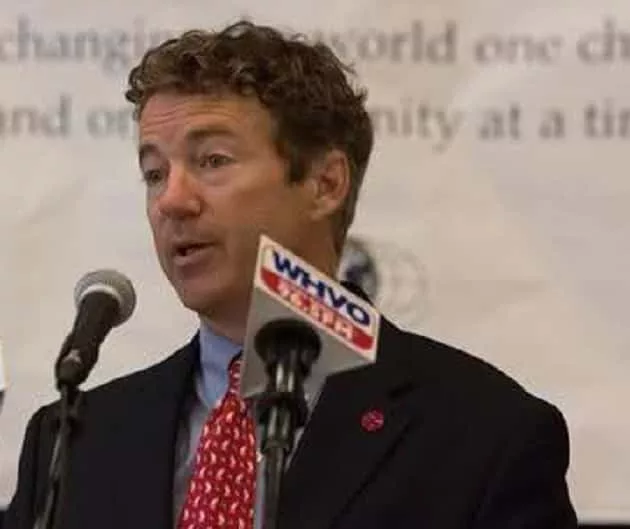
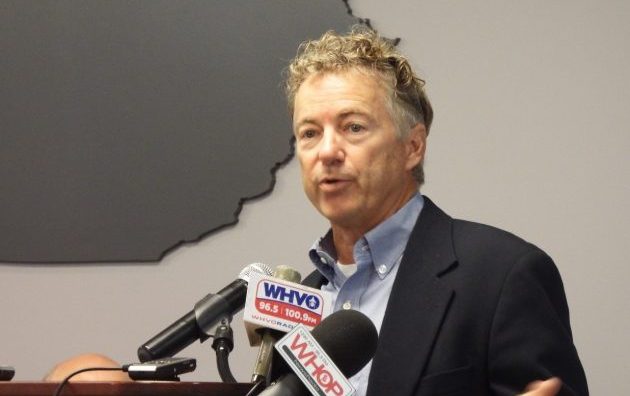
In a discussion with the News Edge, Kentucky Senator Rand Paul simply stated that the U.S. “continues to spend more” than what comes in, and the continued printing of money only devalues the American dollar.
While inflationary concerns might be warranted, the Fed operated as expected February 1 — raising short-term interest rates by a quarter percentage point.
It’s a far cry from the Fed’s decision last December, acknowledging a historic inflation spike with a half-point hike.
Furthermore, while groceries have markedly increased across the board, not all product costs have risen based on consumer trepidation. For instance, the cost of eggs skyrocketing is directly related to the avian flu, which in 2022 killed more than 50 million birds in the U.S. The cost of butter has also seen an intrepid rise, due mainly to extreme heat thinning larger milk-producing cattle herds in the Midwest.
Paul specifically is expecting a continued and prolonged fight on the potential of raising the debt ceiling.
Reuters reported Thursday afternoon that Republican U.S. House of Representatives Speaker Kevin McCarthy and President Joe Biden have agreed to again meet for more talks on raising the U.S. government’s borrowing limit.
McCarthy told reporters that they “wanted to find ways for savings, and put [the country] on a path to balance,” as the U.S. approached its $31.4 trillion threshold earlier this month. And that brought about warning from the U.S. Treasury, which issued there could be default by early June.
Much like McCarthy, Paul said there must be spending reforms on both sides of the aisle — asking Republicans and Democrats to cede ground.
In a recent story with foxbusiness.com, Wall Street economist Nancy Lazar noted that “people are too focused on 2008 and 2020,” and that this recent squeeze is more like “1973, 1974 and 2021” — essentially meaning consumers and job providers should be bracing for a softer recession — particularly in the second half of 2023, as Fed rate hikes create lag.