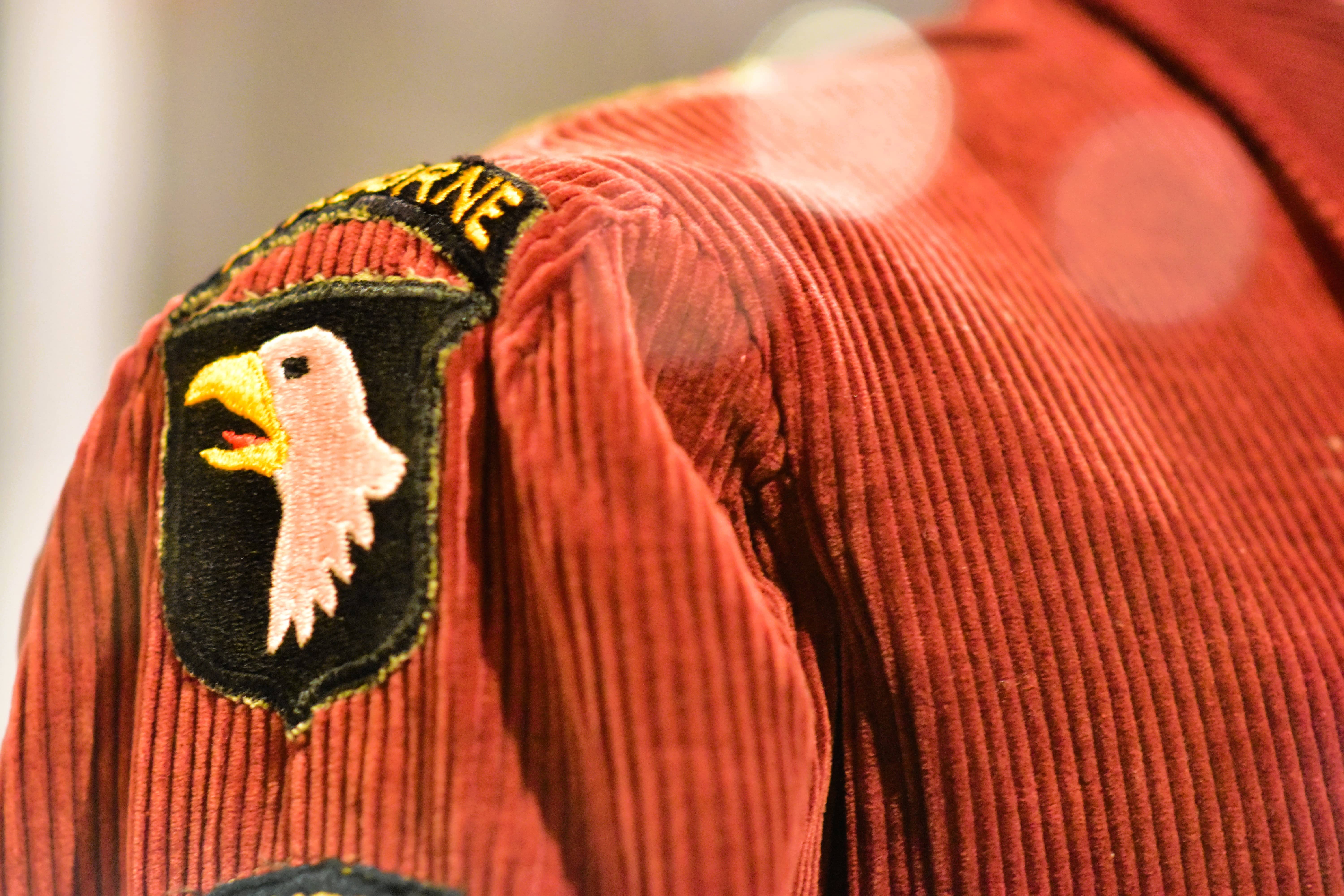

On August 16, 1942, and in the blistering heat of Camp Claiborne, Louisiana, Major General William C. Lee turned to his newly-formed airborne division — the 101st — and muttered to his men that they had no true history, but “a rendezvous with destiny.”
Less than two years later, following intense training through the skies of Georgia and England, destiny arrived.
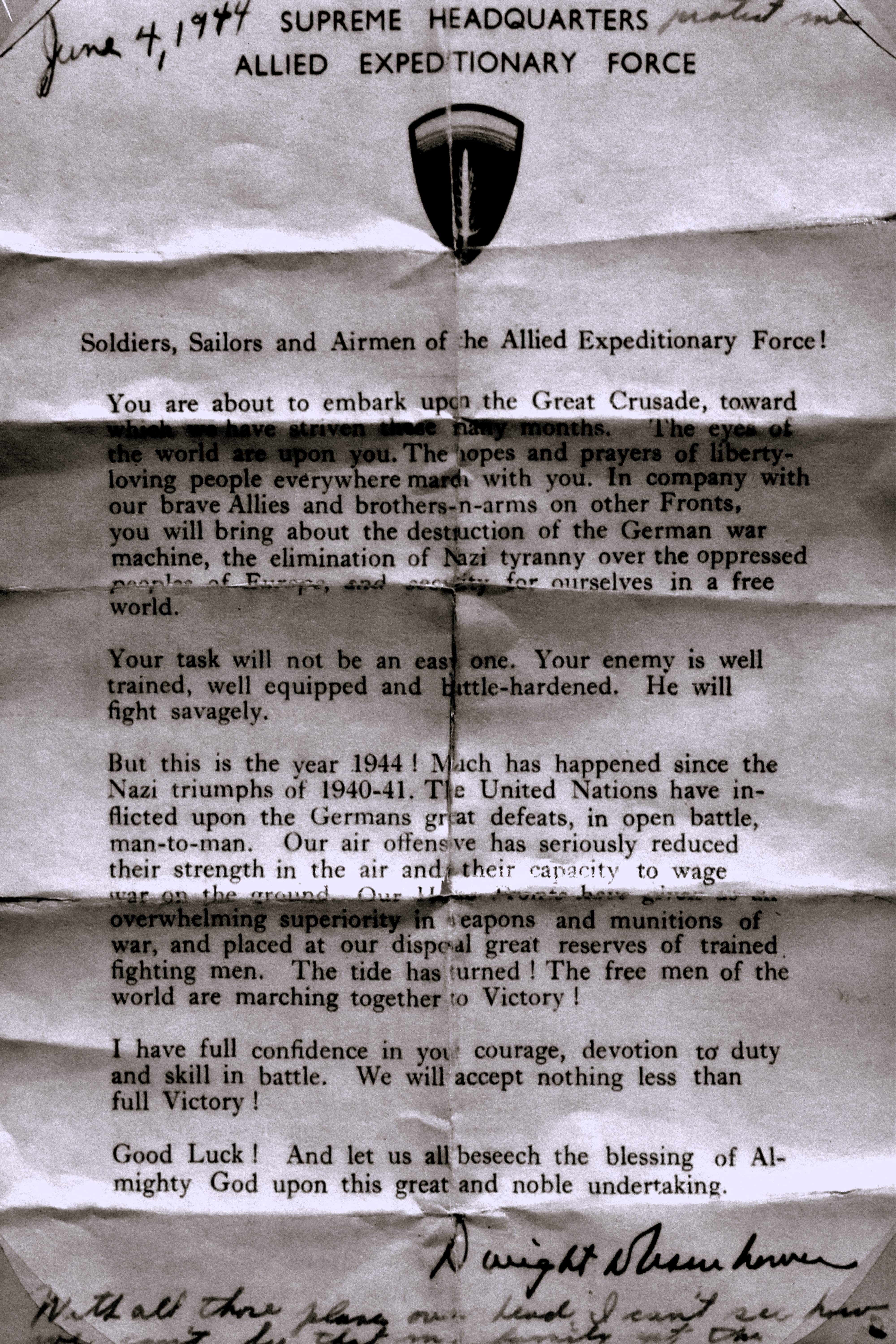
June 6, 1944. At the writ of General Dwight D. Eisenhower and Allied authorities ensconced in World War II, “Operation Overlord” — better known as “D-Day” — began on the French beaches of Normandy, with an ultimate goal in mind.
Liberate Europe from German military oppression and Nazi occupation, and swiftly bring an end to one theater of this global conflict.
Eighty years later, the world looks as it does due in no small part to the largest amphibious assault in human history, and one of mankind’s most influential battles.
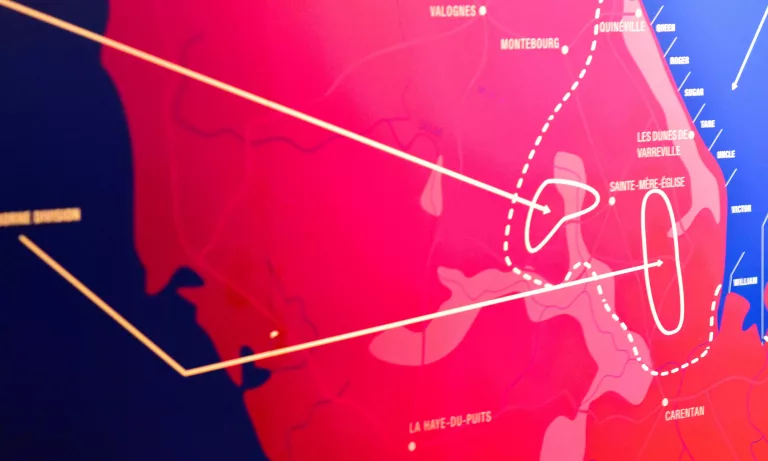
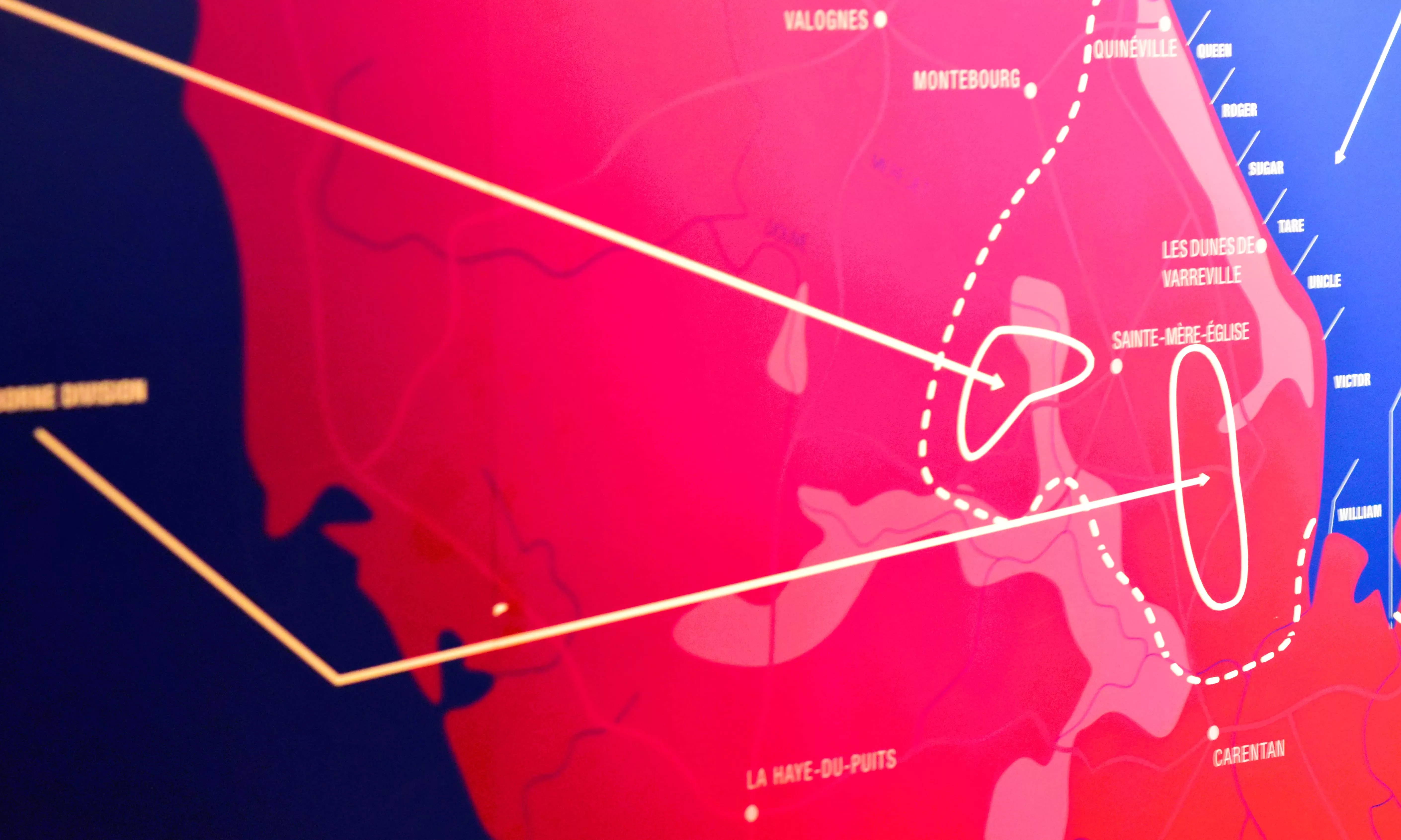
Among some of the first soldiers to arrive that fateful morning? None other than paratroopers of the 101st, whose mission was to drop behind enemy lines, disrupt German operations, create a safe line of communication between Utah and Omaha landing zones, and assist the citizens of Carantan and Sainte-Mere-Eglise.
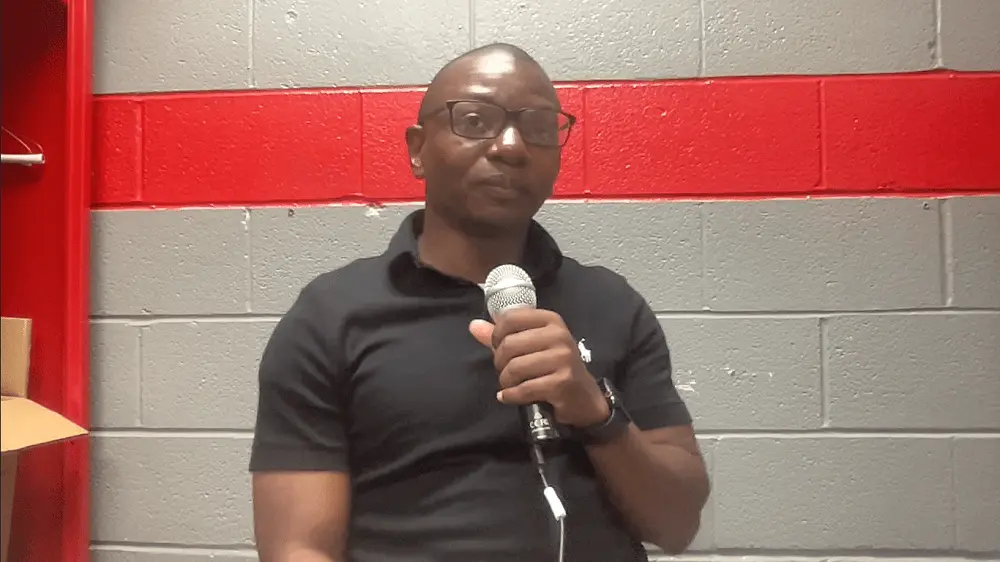
Historian Lt. Devon Williford, a steward of the division’s history, is one of more than 100 soldiers currently on assignment to visit Normandy and nearby Meierijstad, Netherlands — where “Operation Market Garden” eventually led to the capturing of Bastogne through “The Battle of the Bulge.”
These visits back to Europe serve a dual purpose.
First, he said, is for remembrance and relationships — many of which have been rekindled over the last decade.
Second, he said, is the memories must be shared and preserved.
According to The National World War II Museum in New Orleans, fewer than 100,000 of the 16.4 million Americans who served remain among the living — less than 1% left to tell the story. Not many are capable of retelling the events, much less safely travel back to the original scene, and more than 130 WWII veterans die each day.
By 2035, less than 1,000 are expected to be alive. “The Greatest Generation” will be all but extinct, each passing year more precious than the last.
The battle itself brought more than 150,000 Allied soldiers to the beach by air, land and sea, and Williford noted that decades of studies on strategy and acumen still wouldn’t tell the whole story of how the fight truly unfolded.
Wednesday afternoon, Williford was a 10-minute-walk away from the site where 3rd Battalion, 502nd Lieutenant Colonel Robert G. Cole’s actions in Carantan earned him The Medal of Honor.
Near “The Cabbage Patch,” his men were tasked with pushing into the city. However, oppressive, incessant machine-gun fire, coupled with narrow causeways, flat fields and a difficult two-foot trench between them and the enemy lead to 70% battalion casualties.
More than two hours of assaults created a stalemate, where a retreat or charge meant certain death. Williford said Cole called in artillery fire to create smoke, and besought his unit to put in a new magazine, fix bayonets, and break the line in hand-to-hand combat.
However, “the worst game of telephone” led to a disjointed — but somehow successful — maneuver.
Following “D-Day,” the 101st Airborne Division remained trusted, one call away from a “rendezvous with destiny.”
In December 1944, trapped in Bastogne with the 10th Armored Division, they endured bitter cold and snowy conditions, were vastly outnumbered, and were running short on winter clothing, medicine, ammunition and supplies.
The Germans offered surrender, only for Brigadier General Anthony McAuliffe to famously respond “NUTS!” The Americans held on, repelling repeated attacks, until reinforcements arrived six days later.
Then, as racial tensions in America escalated following World War II, Eisenhower — as U.S. President — called upon the 101st again in 1957. Paratroopers graced the cover of TIME Magazine and escorted nine African American students, known as the “Little Rock Nine,” into Little Rock Central High School. They had been initially prevented to enter the segregated building under order of Arkansas Governor Orval Faubus.
On Cole:
Fort Campbell Organization, Part I:
Fort Campbell Organization, Part II:
Williford Reflects On Normandy:
Note: All photos taken by Edward Marlowe, at The National World War II Museum in New Orleans.