

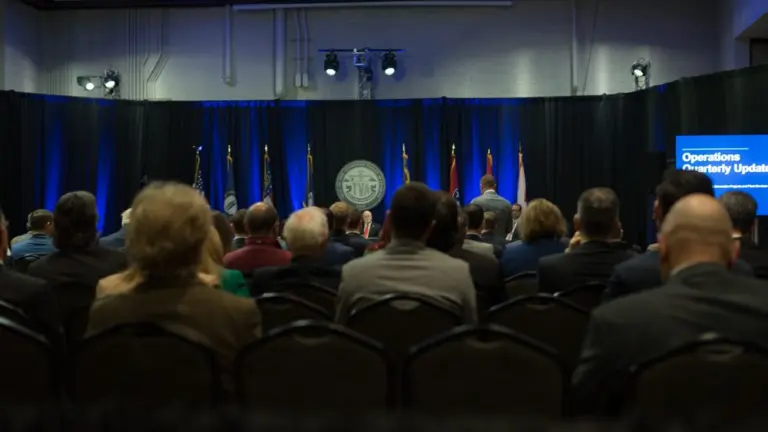
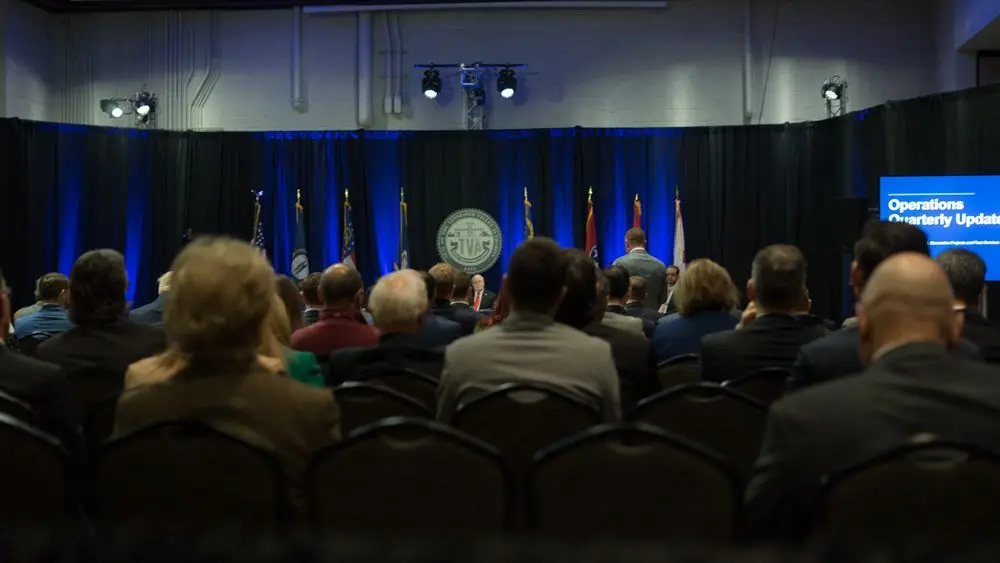
The Tennessee Valley Authority board voted Wednesday to extend operations at two of its largest coal-fired power plants, reversing earlier plans to retire the units and citing rising electricity demand and changes in the regulatory landscape.
The decision keeps more than 3,000 megawatts of coal-fired generation online at the Cumberland and Kingston fossil plants, together capable of powering more than 2 million homes across the Tennessee Valley.
TVA Executive Vice President and Chief Financial Officer Tom Rice told board members he was recommending they authorize continued operation of “both units at our Cumberland fossil plant and all nine units at our Kingston fossil plant.”
“Most significantly is a significant increase in electricity demand and the declaration of an energy emergency,” Rice said. “We’ve also seen a significant change in the regulatory outlook, particularly for coal, and that creates both the opportunity and the need for us to revisit these decisions.”
A previous TVA board had approved retiring both coal units at Cumberland and all nine at Kingston, with plans to replace them with natural gas generation. Under Wednesday’s action, TVA will continue operating the coal units alongside new gas units under construction at both sites. The utility will also seek necessary permits, fund continued investments and enter fuel supply contracts to support ongoing operations.
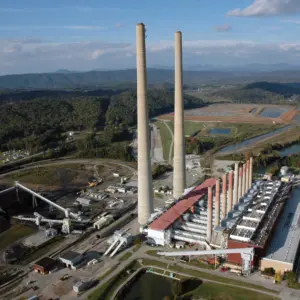
Rice said the Cumberland plant, located on the Cumberland River near Lake Barkley, produces just under 2,500 megawatts — enough electricity to supply nearly 1.4 million homes. The Kingston plant, on the Clinch River in East Tennessee, can generate just under 1,300 megawatts, serving nearly 760,000 homes.
“Together, these two plants not only provide reliable electric power, they support over 500 jobs at the sites,” Rice said, adding that the board’s action would be “returning over 3,000 megawatts of generation to directly support the over 10 million people that we serve across the Tennessee Valley.”
TVA President and CEO Don Moul said having a quorum of board members allowed the utility to complete the analysis needed to move forward.
“So to have over 3,000 megawatts to be essentially maintained on our system while we continue to build our assets for the future is incredibly important,” Moul said.
Moul said conditions have shifted since 2019, when the earlier retirement decisions were made, pointing to load growth and changes in environmental regulations.
“We apply our least cost planning principles, and that’s where we come to the evaluation, where it makes sense for the TVA customers and for our system to maintain, I mean, 3,000 megawatts today,” he said. “To keep it on the system is an incredible difference.”
He added that the move aligns with TVA’s statutory mission and federal energy priorities.
“In the end, what we do lines up with the TVA Act, Least Cost Planning Principles, serving our mission to the people of the valley, meeting the demand growth, and that aligns with what the Trump administration wants to do with unleashing American energy dominance,” Moul said.
The board’s vote comes as utilities nationwide face increasing demand driven by population growth, advanced manufacturing and energy-intensive technologies such as artificial intelligence. TVA officials noted that during Winter Storm Fern, coal generation nationwide rose sharply while some renewable sources declined. TVA’s coal fleet provided 14% of the region’s power during peak demand on Jan. 27, according to the utility.
In other business, the board approved the minutes of its November 2025 meeting, authorized up to 150 additional megawatts of firm power to xAI through Memphis Light, Gas and Water, and adopted revisions to several committee charters and strategic planning documents.
TVA, the nation’s largest public power provider, supplies electricity to more than 10 million people across seven Southeastern states. The federally owned utility receives no taxpayer funding and says it derives virtually all revenue from electricity sales.