

A small-town lumber business is preserving more than timber—it's keeping alive a nearly forgotten chapter of Southern textile history.
Derek Guyer, owner of Kentucky Lumber in Allensville, has spent years uncovering the legacy of a German immigrant named William Pritz, who founded the first woven label factory in the South during the early 20th century.
“The Cole family originally owned this property, and their daughter, Miss Annie Cole, married a man named William Pritz,” said Guyer. “Mr. Pritz was born in 1881 in Germany, and his family worked in the woven silk trade. They moved to the United States in 1890, settling in Paterson, New Jersey—then known as Silk City.”
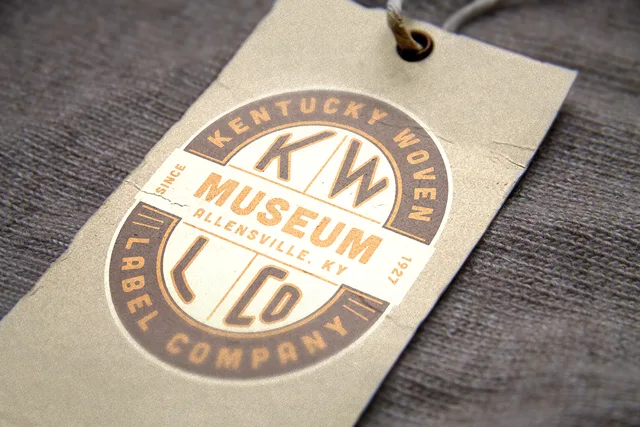
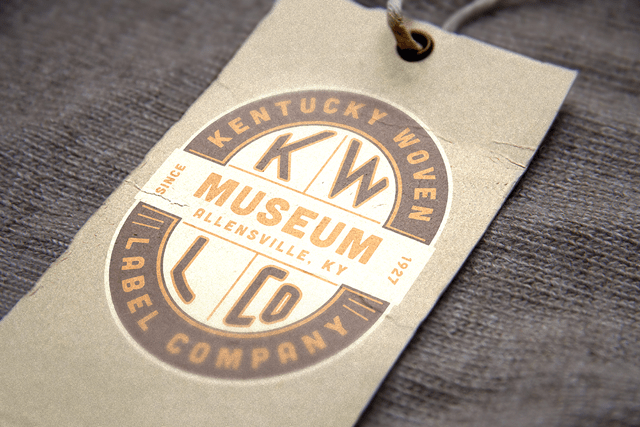
Pritz brought his trade knowledge south, first to Tennessee and eventually to Allensville, Kentucky, where he married Annie and launched the Kentucky Woven Label Factory. According to Guyer, there were already 12 such factories in the North, but Pritz’s business was the first of its kind in the South.
“He began making woven labels for the insides of shirts, jackets, bed linens, ties—you name it,” Guyer said. “They had 13 looms running in what we now call the Pritz Building. On average, they could make 27 labels in seven seconds.”
The factory produced labels for major brands like Carhartt, Fruit of the Loom, Duckhead, and Big League. Guyer has preserved original graph-paper artwork and stitch count layouts used by Pritz’s team to produce the tiny, intricate labels. The designs were created by craftsmen Henry and Kurt Kroll.
“When I bought this place and renamed it Kentucky Lumber, we found all kinds of financial documents, correspondence with business owners across the country, and even the original drawings from companies they worked with,” Guyer said.
Beyond the business records, Guyer uncovered stories from the families whose lives were changed by Pritz’s factory—especially during the Great Depression.
“There’s the story of Ed Huddleston, whose mother worked here,” Guyer said. “His family had no money, and Mr. Pritz advanced her paychecks so she could buy bread and eggs. That business saved his family.”
For Guyer, the history isn't just academic—it’s personal. He has made it a mission to restore the Pritz Building while preserving its character.
“I wanted to put wavy glass in the old windows, keep the stone uncovered—retain the feeling of what this building was,” he said.
Kentucky Lumber now operates out of the same location, and Guyer says he draws inspiration from the way Pritz treated his employees.
“Mr. Pritz was very detailed in everything,” he said. “He worked hard to meet the needs of every single employee. That’s been really important to me—taking care of my employees, treating them with honor and value.”
Guyer, a former minister and foster parent of nine, says the legacy of work ethic and care extends to his own family and workforce.
“When we started our mill, none of our employees—including me—knew how to run any of the equipment,” he said. “But they’ve done it, and now customers say our work is better than what they were getting elsewhere. People think the younger generation doesn’t know how to work—but I think they just need encouragement and to be treated well.”
His own children, homeschooled and heavily involved in the business, help run the drying kiln and assist with marketing and customer service.
“We wanted them involved in the good and the bad,” Guyer said. “We want them to know how to deal with problems and appreciate the joy of success.”
For Guyer, Kentucky Lumber is more than a business—it’s a continuation of a tradition rooted in resilience, craftsmanship, and care.
“To me, being a part of this property means carrying on that legacy,” he said. “We’re not just preserving buildings—we’re preserving stories.”